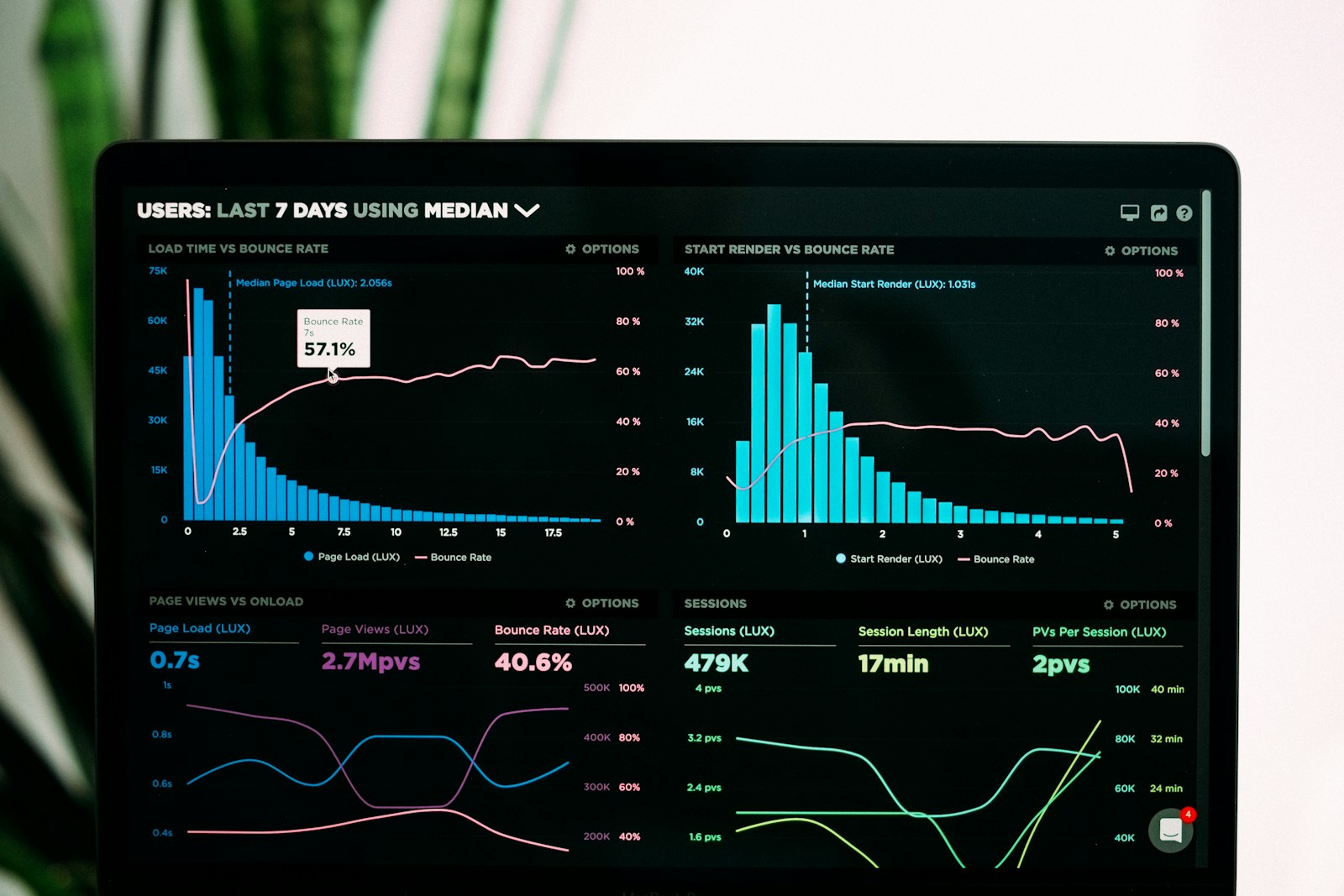
A dashboard can show a lot of activity without explaining what that activity means. Before adding more tracking, decide which customer journey you need to understand and which decision the information will support.
Start with a decision you can act on
Choose a question your team can act on. You may need to understand where people abandon an enquiry or whether a booking attempt becomes a confirmed session. Write down what you would do differently depending on the answer. This separates information that supports a decision from information that is simply available. A small, understood measurement plan provides a useful foundation for later analysis.
Give important events a shared meaning
Map the moments that matter. Distinguish opening a form from submitting it, and submitting it from receiving confirmation that it was saved. A click does not necessarily prove that the intended action completed. Record the event name, what triggers it, and the context needed to interpret it. Follow the documented conventions of your analytics platform when implementing those events.
Check the signals against the experience
Walk through the product and inspect the resulting events. Include errors, repeat attempts, and interrupted journeys. Check that retries do not create duplicate counts of a completed action. Document the limits of your measurement, including how consent choices, connectivity, and boundaries between systems affect the picture. A neat chart should not become a claim of certainty that its underlying data cannot support.
- Does the event reflect an attempt or a confirmed result?
- Can repeated attempts create duplicate counts?
- Who owns a change to the event definition?
Turn findings into product work
Review the information alongside user feedback and operational observations. A drop in a funnel suggests where to investigate, but does not explain why someone left. Turn the finding into a specific improvement and decide how to assess the result. Keep the measurement plan with the product documentation so changes to the experience and its reporting can be reviewed together.
Further reading
For a deeper look at the frameworks and practices discussed in this article: